
Energy-efficient windows have become one of the most significant upgrades homeowners can make to enhance comfort and lower energy consumption. As heating and cooling costs continue to rise, outdated or poorly performing windows often allow valuable indoor air to escape while letting outdoor temperatures creep in. Choosing efficient windows helps regulate indoor temperatures, reduce strain on HVAC systems, and create a more comfortable living environment year-round. Beyond immediate savings, this upgrade also supports long-term home performance and value.
Understanding How Energy-Efficient Windows Work
Energy-efficient windows are designed to minimize heat transfer between the interior and exterior of a home. Traditional windows allow heat to pass through the glass and frame with little resistance. In contrast, energy-efficient windows use advanced materials and construction methods to slow that transfer. Features such as multiple panes of glass, insulating gas fills, and specialized coatings all work together to maintain consistent indoor temperatures while reducing energy loss.
Energy-Efficient Windows and Indoor Comfort
One of the most noticeable benefits of energy-efficient windows is improved comfort throughout the home. Drafts near windows are often caused by poor seals or thin glass that allows cold or hot air to pass through easily. These windows help eliminate these drafts, keeping rooms warmer in winter and cooler in summer. They also reduce temperature fluctuations, making living spaces feel more balanced and comfortable regardless of outdoor conditions.
How Energy-Efficient Windows Reduce Energy Costs
Windows play a key role in lowering heating and cooling expenses. By reducing heat loss during colder months and limiting heat gain during warmer months, these windows decrease the workload on HVAC systems. When systems do not need to run as frequently or as long, energy consumption drops. Over time, the reduced energy use can lead to noticeable savings on utility bills, helping offset the cost of the upgrade.
Materials and Features That Improve Window Efficiency
Several design elements contribute to the energy efficiency of windows. Double and triple-pane glass offer additional insulation compared to single-pane windows. Low-emissivity coatings reflect heat while still allowing natural light to enter the home. Insulating gas fills the space between panes, further reducing heat transfer. Frame materials also matter, as some materials resist heat flow better than others, helping to maintain a tight seal over time.
Energy-Efficient Windows and Noise Reduction
In addition to energy savings, energy-efficient windows often improve sound control. Multiple panes and insulated frames help block outside noise, creating a quieter indoor environment. This can be especially beneficial for homes located near busy roads, commercial areas, or high-traffic neighborhoods. Reduced noise contributes to overall comfort and enhances the livability of interior spaces.
Installation Quality and Long-Term Performance
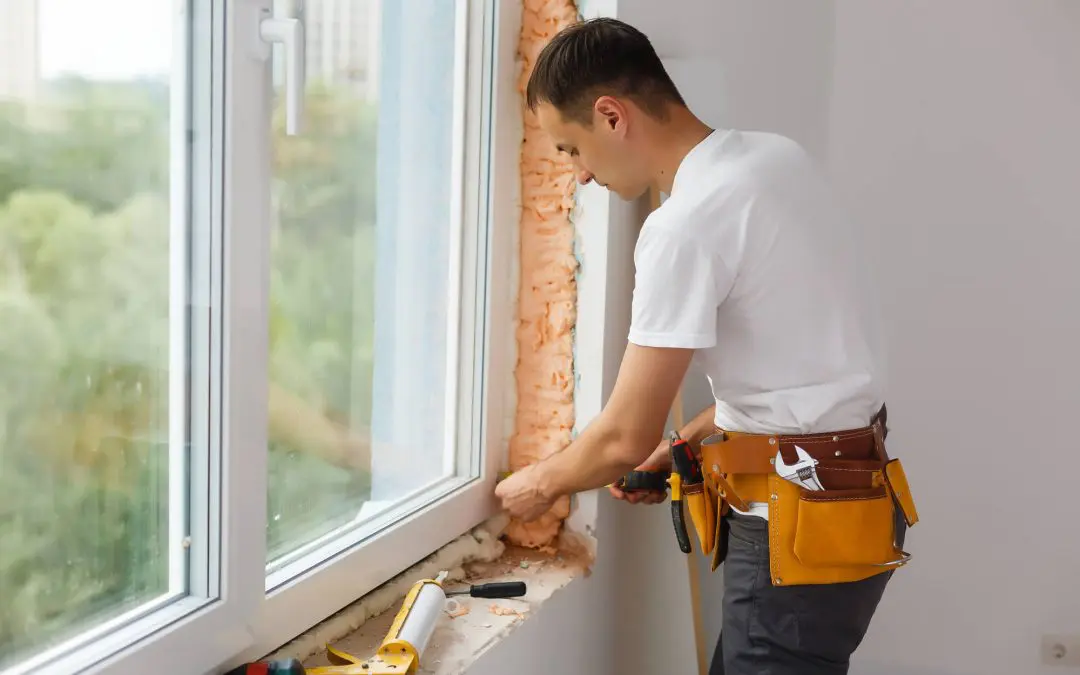
The performance depends heavily on proper installation. Even the most advanced window will underperform if it is not correctly fitted and sealed. Professional installation guarantees that gaps are minimized and that the window integrates properly with the surrounding structure. A well-installed window maintains its efficiency longer, protects against moisture intrusion, and delivers consistent performance throughout its lifespan.
Added Value from Energy-Efficient Windows
Energy-efficient windows are widely recognized as a valuable home improvement. Buyers often view them as a desirable feature due to their impact on comfort and operating costs. Homes will stand out in the market, as they signal lower utility expenses and thoughtful maintenance. This upgrade will enhance curb appeal while also contributing to long-term property value.
Efficient windows provide a practical solution for homeowners seeking to enhance comfort, reduce energy costs, and improve their home’s overall performance. By combining advanced materials, proper installation, and long-term durability, these windows deliver benefits that extend well beyond seasonal savings, making them a wise investment for today and the future.
Frequently Asked Questions (FAQs)
What makes windows energy-efficient?
They use multiple panes, insulating gas fills, low-emissivity coatings, and well-sealed frames to reduce heat transfer and air leakage.
Do efficient windows really lower energy bills?
Yes, by minimizing heat loss and heat gain, they reduce the demand on heating and cooling systems, which in turn lowers overall energy costs.
Are efficient windows only helpful in cold climates?
No, they provide benefits in all climates by keeping heat inside during winter and blocking excessive heat during warmer months.
How long do windows last?
With proper installation and maintenance, windows can last several decades while maintaining their performance.
Is replacing windows a worthwhile investment?
For many homeowners, replacing outdated windows enhances comfort, reduces energy consumption, and adds long-term value to their home.
Pro Home Inspection Services offers home inspections in the Grand Strand and the Greater Charleston area. Contact us to schedule an appointment.