
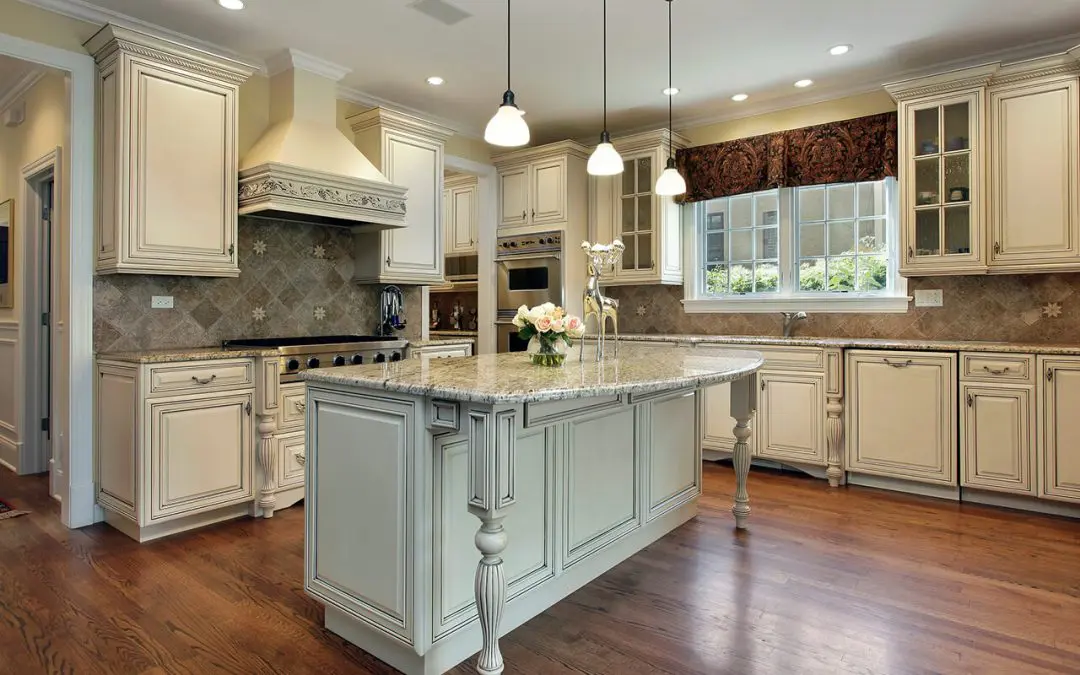
Walk into a beautifully designed room and something feels immediately right. The space feels warm, inviting, and alive. Walk into a room with poor interior lighting and something feels off, even when the furniture and finishes are excellent. Lighting is the invisible architecture of a home, shaping how every surface, color, and space reads to the eye. Most homeowners underestimate its impact because it’s invisible when done well, but getting it right is one of the most transformative improvements you can make, often without spending a significant amount of money.
What Great Interior Lighting Actually Involves
The vast majority of homes are lit the way they were wired, one overhead fixture per room that floods the space with flat, uniform light. It’s functional, but it’s the lighting equivalent of painting a room in a single flat color and calling it decorated. Professional interior lighting design works in layers: ambient light that provides general illumination, task light that focuses on specific activities, and accent light that highlights features and objects of interest. The combination creates depth, warmth, and intention that a single overhead source simply can’t achieve.
Upgrade Your Bulbs and Color Temperature First
Before investing in new fixtures, the fastest and most affordable interior lighting upgrade is swapping your bulbs. Color temperature, measured in Kelvins, has a dramatic effect on how a room feels. Warm white bulbs in the 2700K to 3000K range create a soft, inviting glow ideal for living rooms, bedrooms, and dining areas. Cooler bulbs in the 3500K to 5000K range suit kitchens and workspaces where clarity matters more than atmosphere. LED bulbs have made earlier objections largely obsolete. Available in every color temperature, they last years longer than incandescent bulbs, produce minimal heat, and use a fraction of the energy. Switching to LED is an immediate quality upgrade that pays for itself quickly.
Add Layers With Floor Lamps, Table Lamps, and Sconces
Once the right bulbs are in place, the most impactful next step is adding lower-level light sources. Ceiling fixtures light from above, creating shadows on faces and under furniture. Floor lamps and table lamps light from eye level, wrapping the room in a warmer, more dimensional glow that overhead fixtures alone can never produce. A living room with one ceiling fixture and two table lamps feels categorically different from the same room with only overhead lighting. Sconces in hallways, bathrooms, and flanking a bed headboard add elegance and function simultaneously. For rooms without overhead fixtures, a well-placed floor lamp and a table lamp near a seating area can transform the space entirely with no electrical work required.
Interior Lighting Control: Dimmers Are a Game-Changer
If there’s one upgrade that delivers the most versatility per dollar, it’s installing dimmer switches. Dimmers let you modulate the mood and intensity of any room across the full range of daily activities, bright for tasks, soft for evenings, and low for ambiance. Most modern LED bulbs are dimmer-compatible, though it’s worth verifying before purchasing. A dining room with a dimmer can shift from a well-lit space for afternoon homework to a warm, intimate setting for dinner without changing a single bulb. Smart bulbs and smart switches take this further, allowing you to control color temperature and brightness remotely or on a schedule, a useful upgrade for homeowners who want maximum interior lighting flexibility with minimal effort.
Frequently Asked Questions (FAQs)
How do I figure out how much light a room needs?
A general rule is roughly 20 lumens per square foot for ambient lighting in living spaces, and up to 50 lumens per square foot in kitchens and workspaces. That said, the goal isn’t brightness, it’s the right combination of sources, directions, and temperatures for how the room is actually used. A layered approach almost always produces a better result than trying to achieve all illumination from a single source.
What’s the easiest interior lighting upgrade for a rental or home I don’t want to rewire?
Plug-in solutions make layered interior lighting very achievable without electrical work. Floor lamps, table lamps, plug-in wall sconces, and battery-operated LED puck lights can be placed strategically to add depth and warmth. Smart bulbs in existing fixtures give you dimming and color temperature control without touching the wiring.
How do I choose the right size fixture for a room?
For ceiling fixtures, add the room’s length and width in feet; the result in inches is roughly the ideal fixture diameter. A 12-by-14-foot room would suit a fixture around 26 inches in diameter.
Can interior lighting make a small room feel larger?
Yes, significantly. Uplighting creates a sense of height that overhead downlighting can’t. Light walls and ceilings reflect and amplify light, making spaces feel more open. Multiple lower-level sources spread throughout a room create visual depth. Mirrors positioned to reflect natural or artificial light also multiply the perceived space effectively.
What should I do if my room still feels dark after adding more light?
The issue is often direction and quality rather than quantity. Adding more lumens from the same overhead source rarely solves a dark-feeling room. Focus on adding sources at different heights, reflecting light off lighter surfaces, and ensuring corners and lower areas are illuminated. Lighter wall colors and strategically placed mirrors can complement your interior lighting significantly when natural light is limited.
Pro Home Inspection Services offers home inspections in the Grand Strand and the Greater Charleston area. Contact us to schedule an appointment.